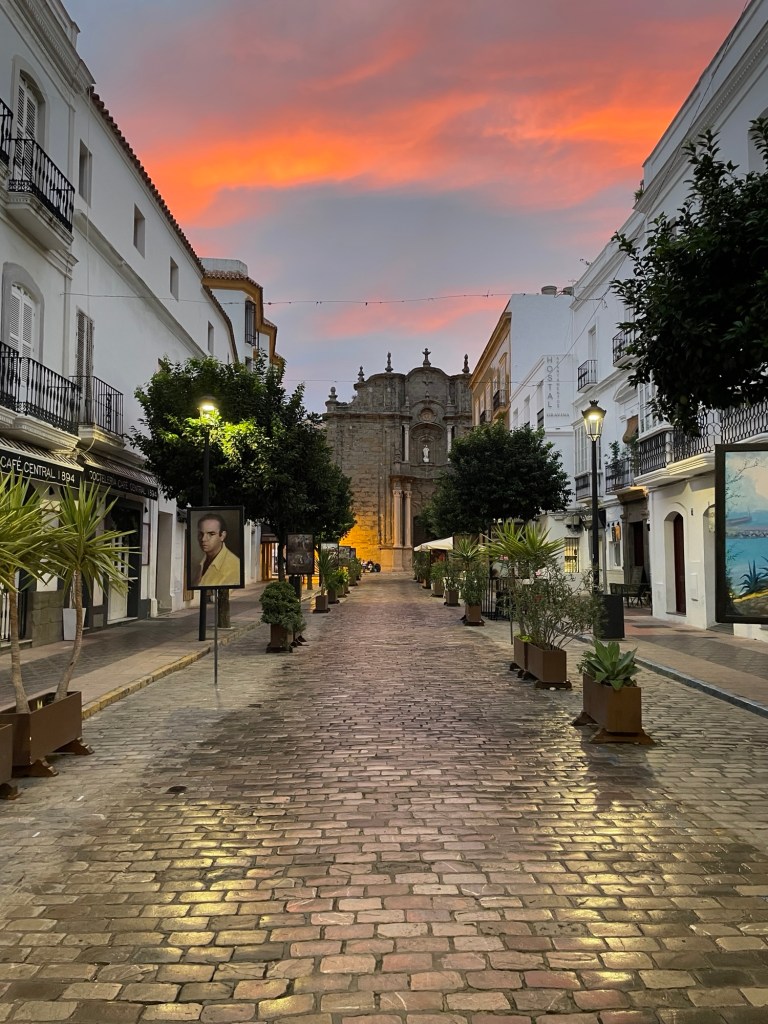
Few countries on Earth can match Spain for sheer depth of character. Stretched across the Iberian Peninsula in southwestern Europe, Spain is a land of dramatic contrasts — sun-scorched plains and snow-capped mountains, ancient Moorish palaces and avant-garde architecture, deeply conservative traditions and fiercely progressive politics. To understand Spain is to understand that it is not one thing but many: a mosaic of regions, languages, and identities held together by a shared intensity for life.
A History Written in Stone
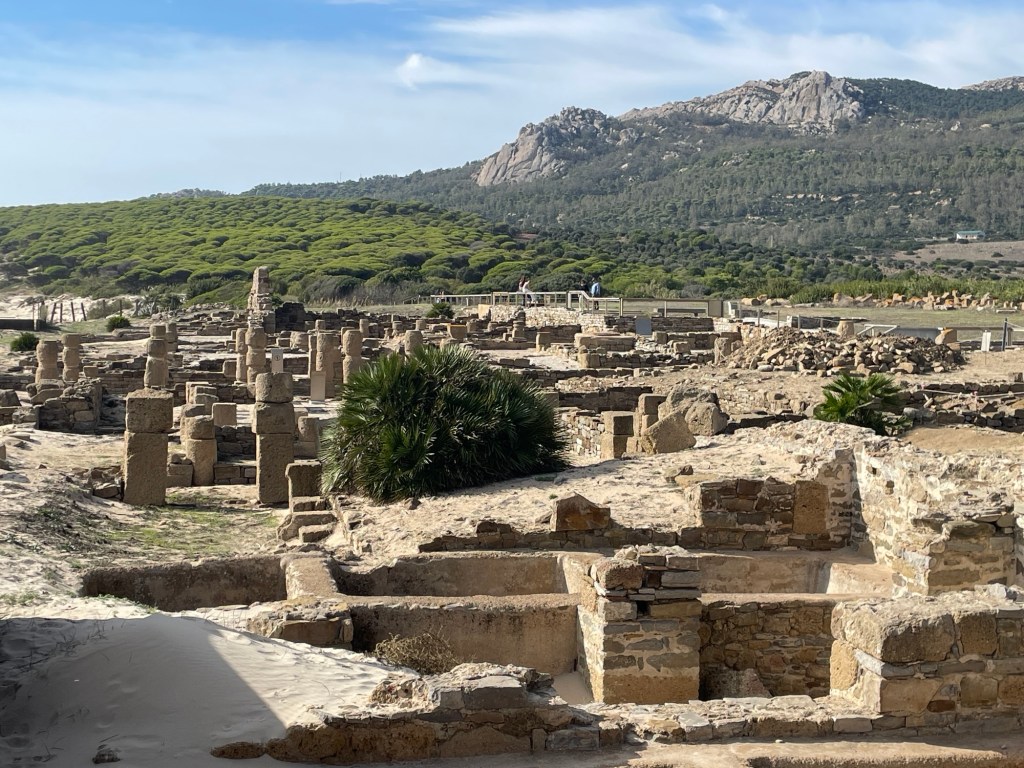
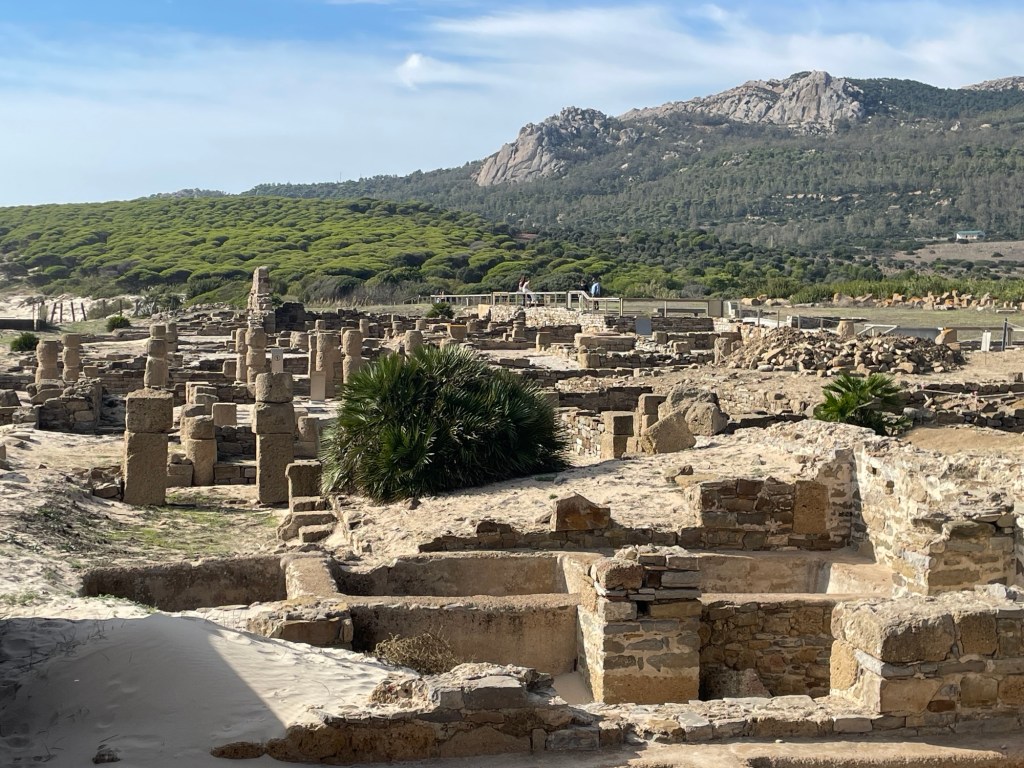
Spain’s history is one of the most layered in the world. Long before the Roman legions marched through Hispania, the peninsula was home to the Iberians, Celts, and Phoenicians. Rome left its mark in aqueducts, amphitheatres, and roads that still trace the landscape. Then came the Visigoths, and in 711 AD, the Moors swept up from North Africa, beginning nearly eight centuries of Islamic rule that would fundamentally reshape the peninsula’s culture, architecture, and language.
The Reconquista — the slow Christian reclamation of Iberian territory — culminated in 1492, the same year Christopher Columbus, sailing under the Spanish crown, reached the Americas. That single year encapsulates Spain’s pivotal role in world history: a nation simultaneously closing one chapter and opening another of staggering consequence. The Spanish Empire that followed became one of the largest in history, spreading language, religion, and culture across the Americas, Africa, and Asia in ways that still reverberate today.
The 20th century brought turbulence. The Spanish Civil War (1936–1939) tore the country apart, pitting Republicans against Nationalists in a conflict that drew in international forces and foreshadowed World War II. Francisco Franco’s subsequent dictatorship lasted until his death in 1975, after which Spain made a remarkably swift and peaceful transition to democracy — a transformation known as La Transición that is still studied as a model of political change.
The Land Itself
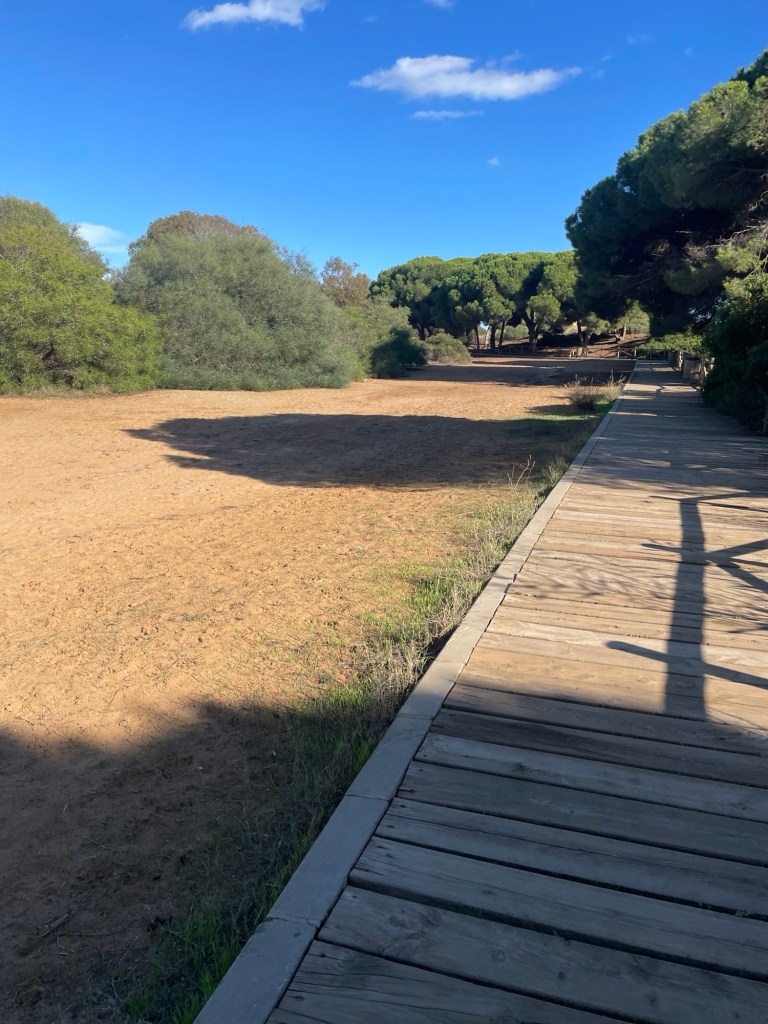
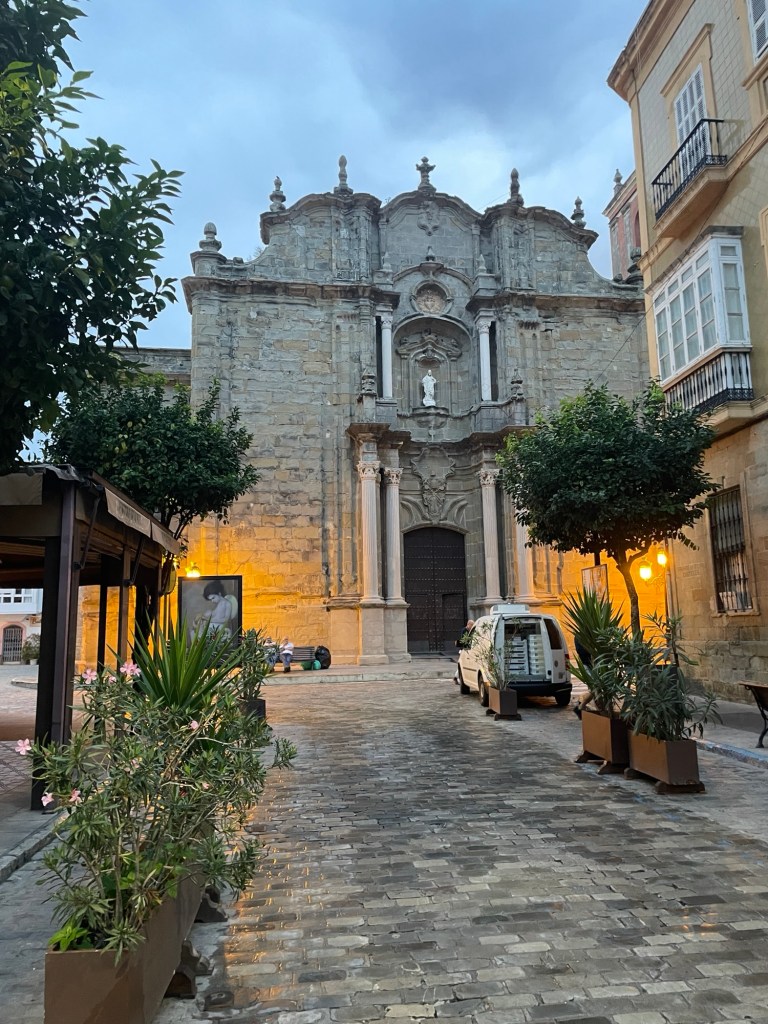
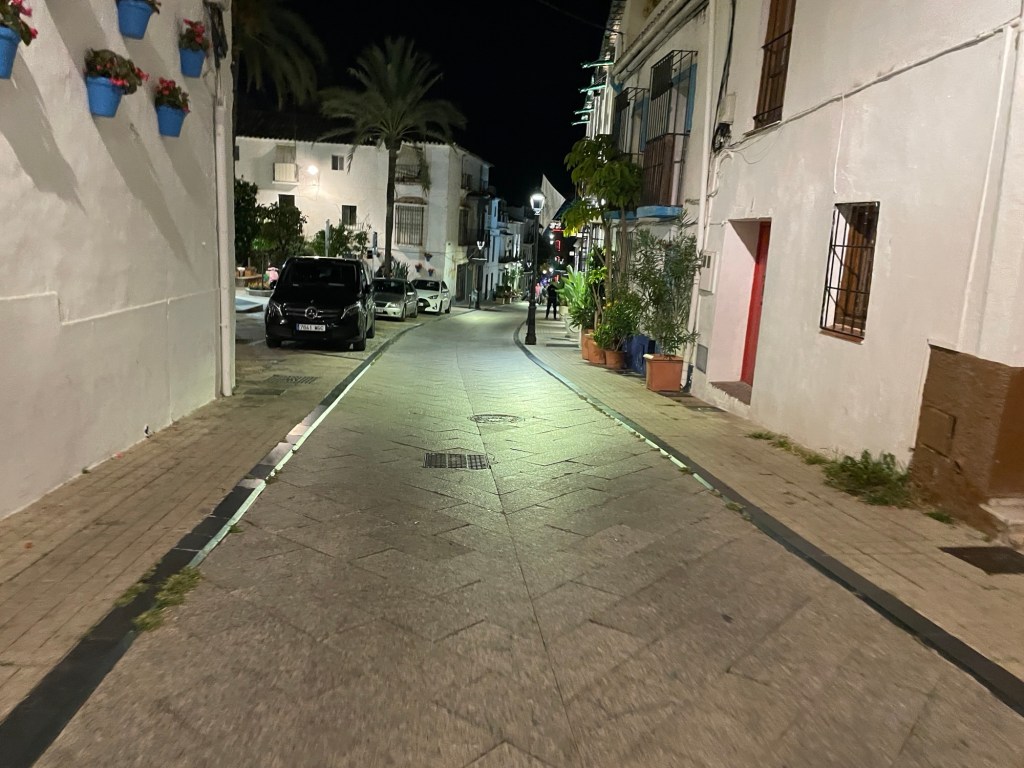
Spain is the second-largest country in the European Union, and its geography is as varied as its history. The Meseta Central, a vast elevated plateau, dominates the interior, giving cities like Madrid a harsh continental climate of blazing summers and bitter winters. To the north, the Pyrenees form a natural border with France, while the green, rain-soaked hills of Galicia and the Basque Country feel more Celtic than Mediterranean. To the south, Andalusia bakes under an almost African sun, its white villages and orange groves spilling toward the Strait of Gibraltar.
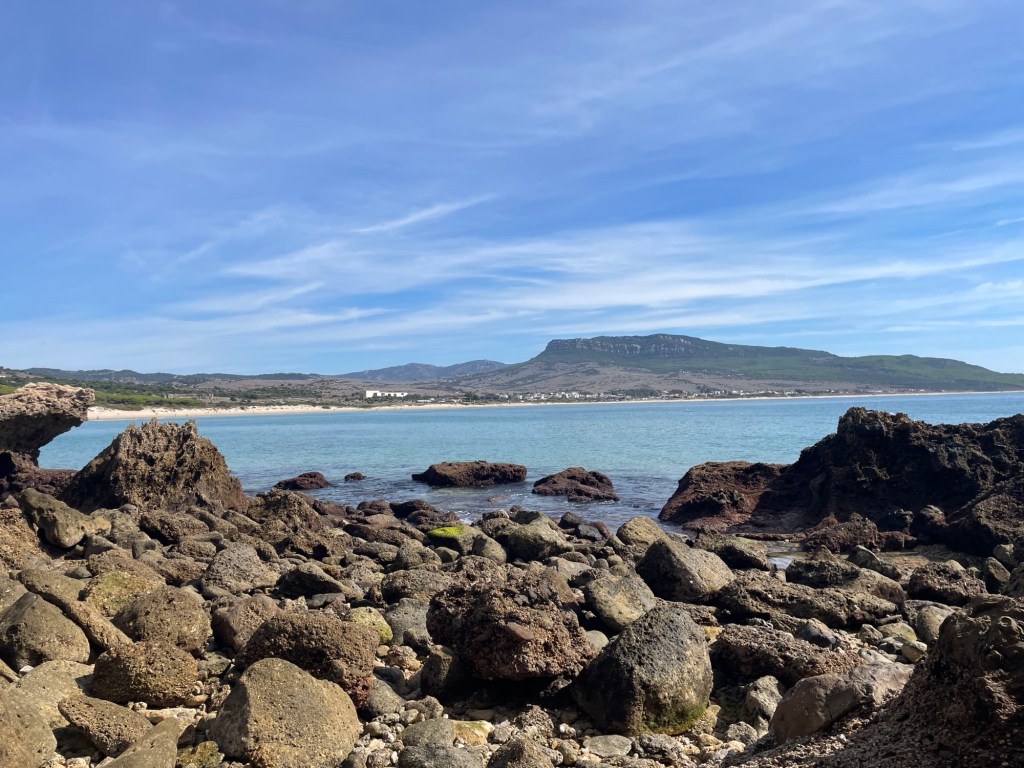
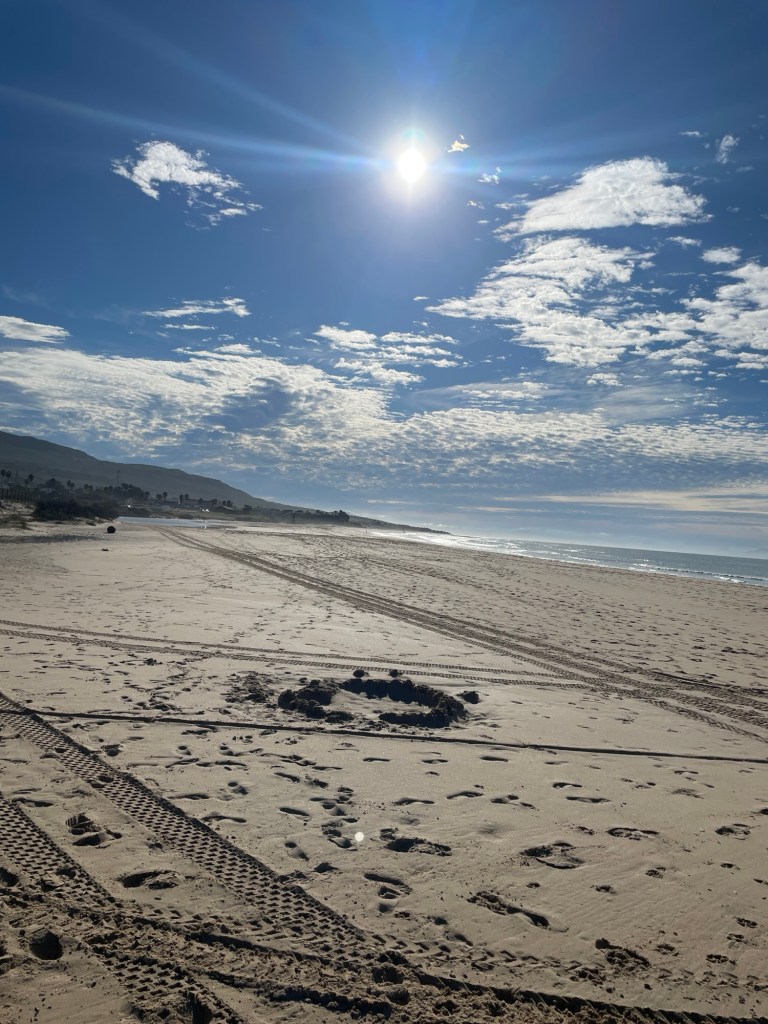
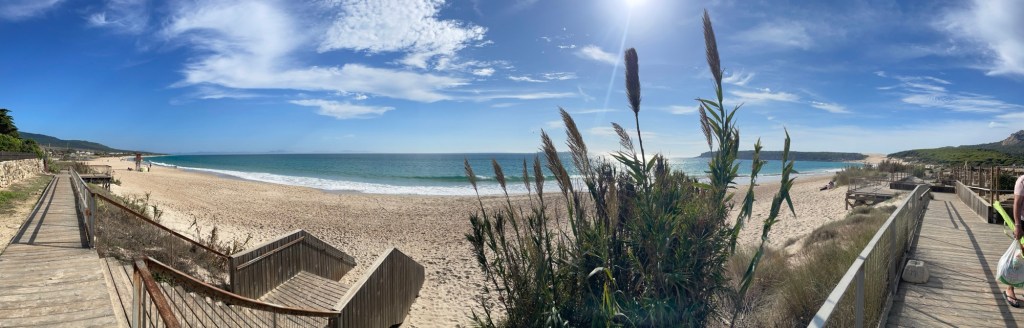
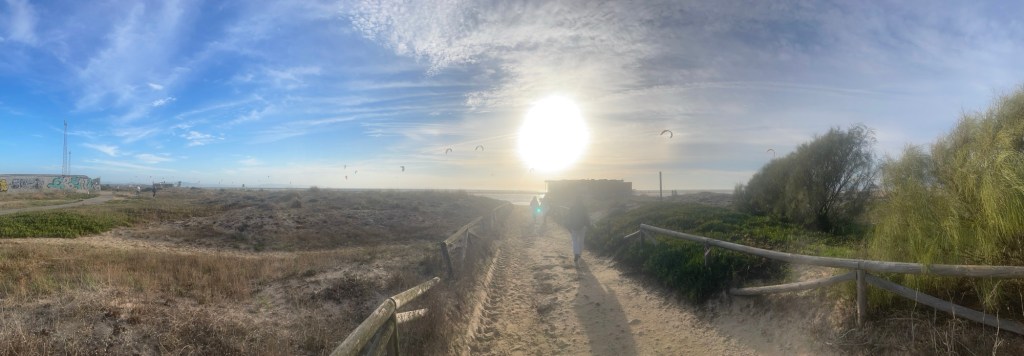
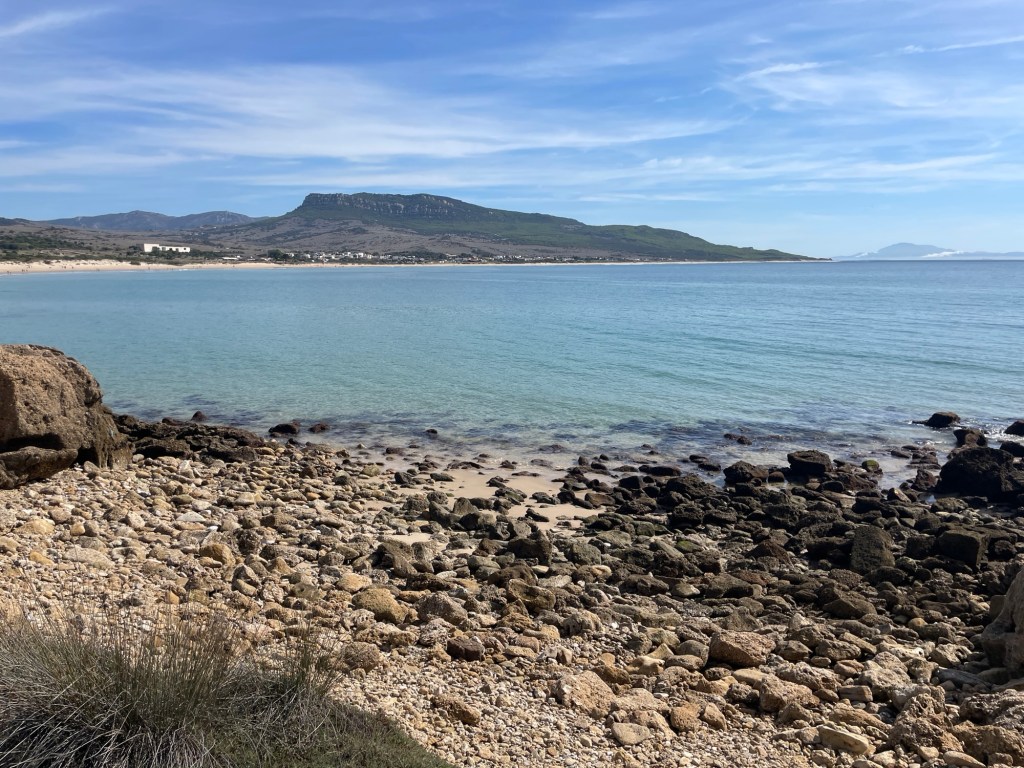
Then there are the coasts: the rugged cliffs of the Costa Brava, the long sandy shores of the Costa del Sol, and the wild Atlantic beaches of the northwest. Beyond the mainland, the Balearic Islands shimmer in the Mediterranean, and the Canary Islands — technically Spain but geographically African — offer an almost tropical escape just off the coast of Morocco.
A Culture That Lives Outdoors
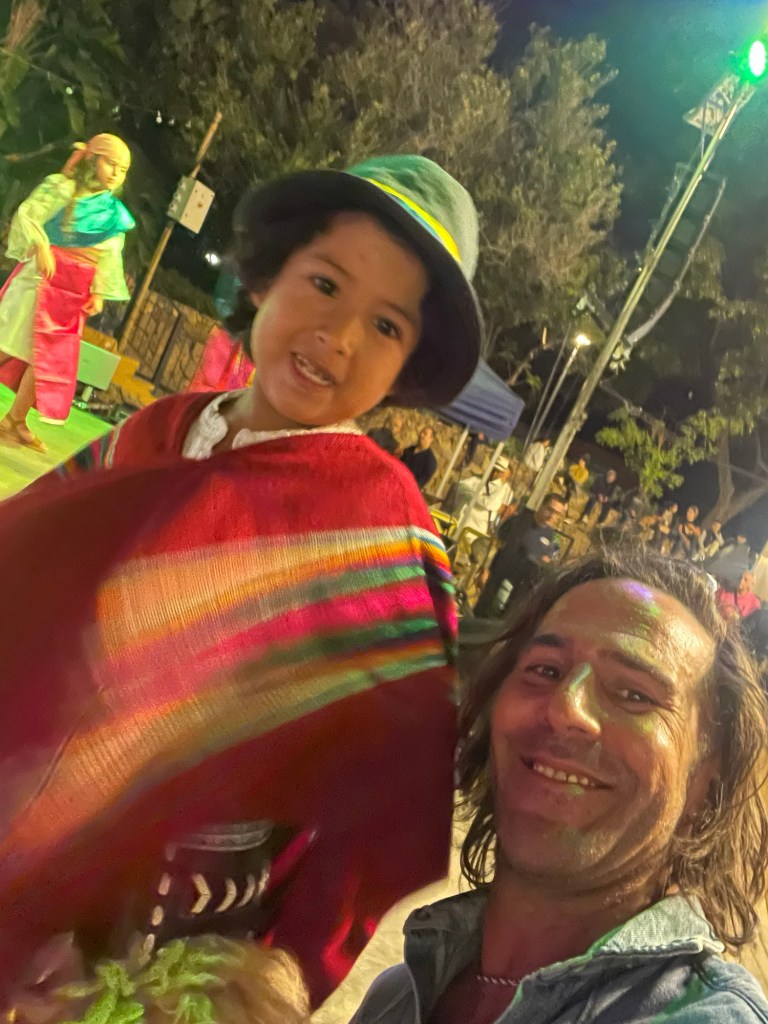
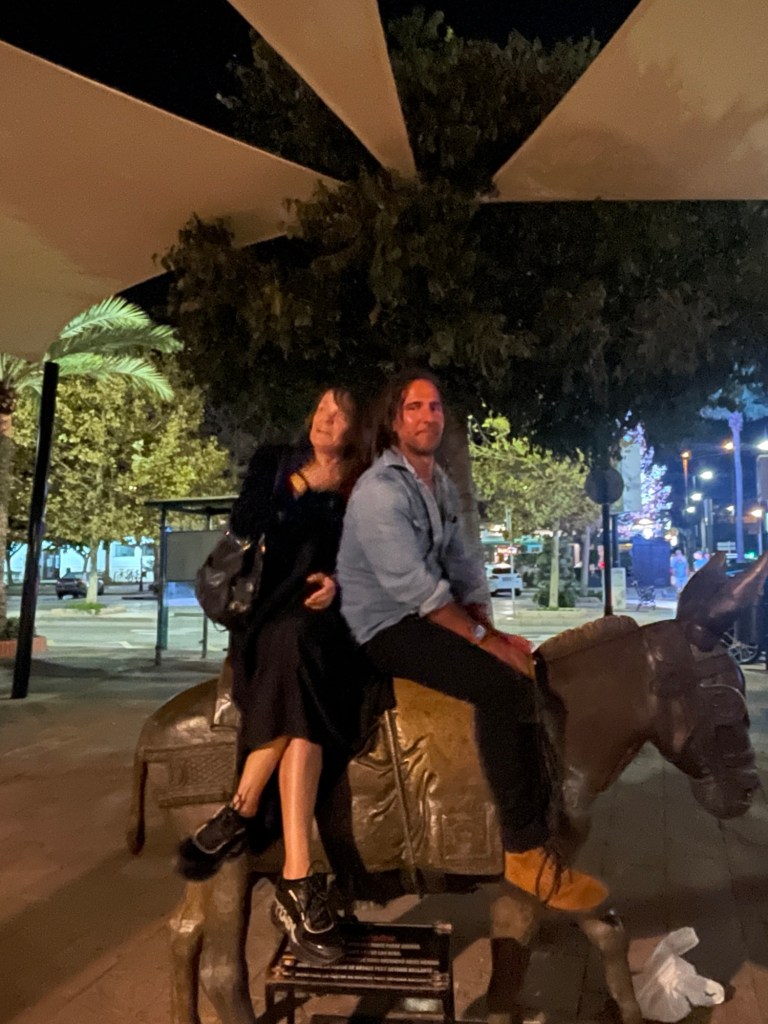
Spanish culture is famously social and extroverted. Life happens in the street, in the plaza, in the bar. The tradition of the paseo — an evening stroll through town — is not a quaint relic but a living practice in villages and cities alike. Spaniards eat late by northern European standards: lunch, the main meal, rarely begins before 2pm, and dinner might not be served until 10pm. The siesta, though increasingly compressed by modern working hours, reflects a philosophy that rest and pleasure are not luxuries but necessities.
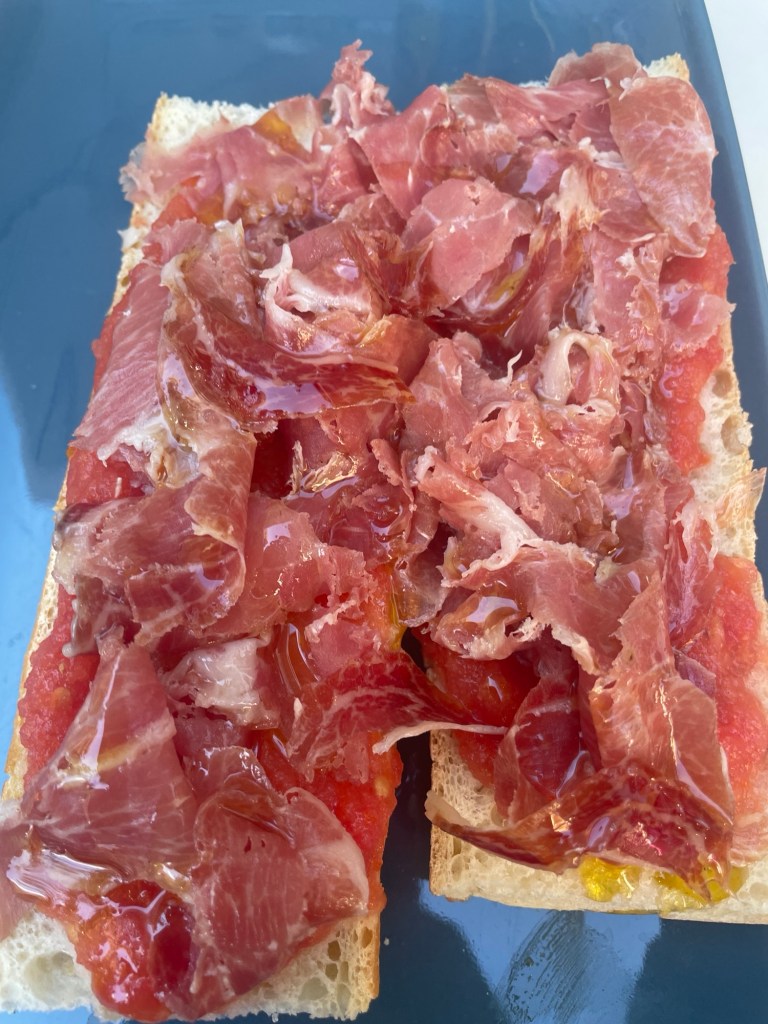
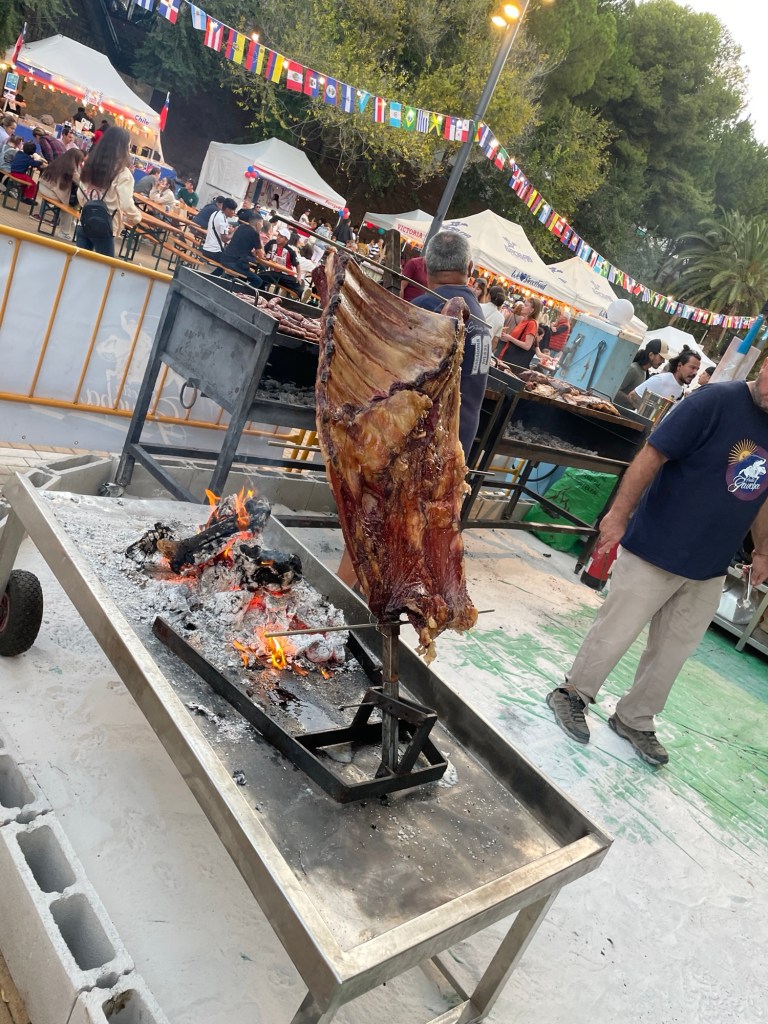
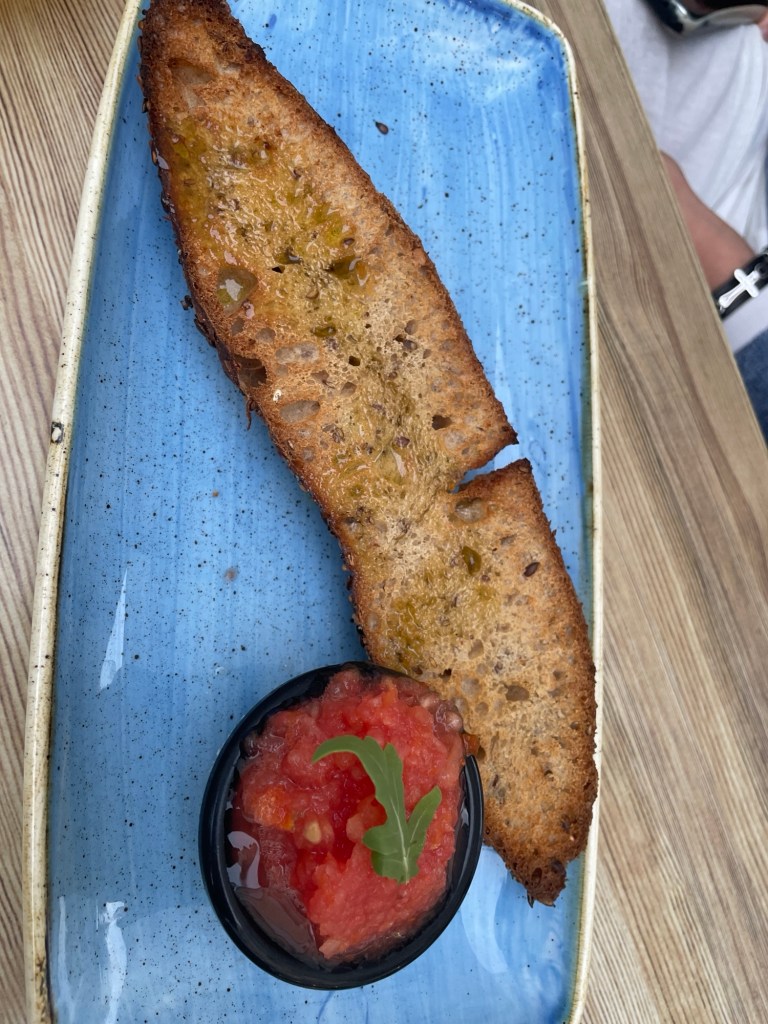
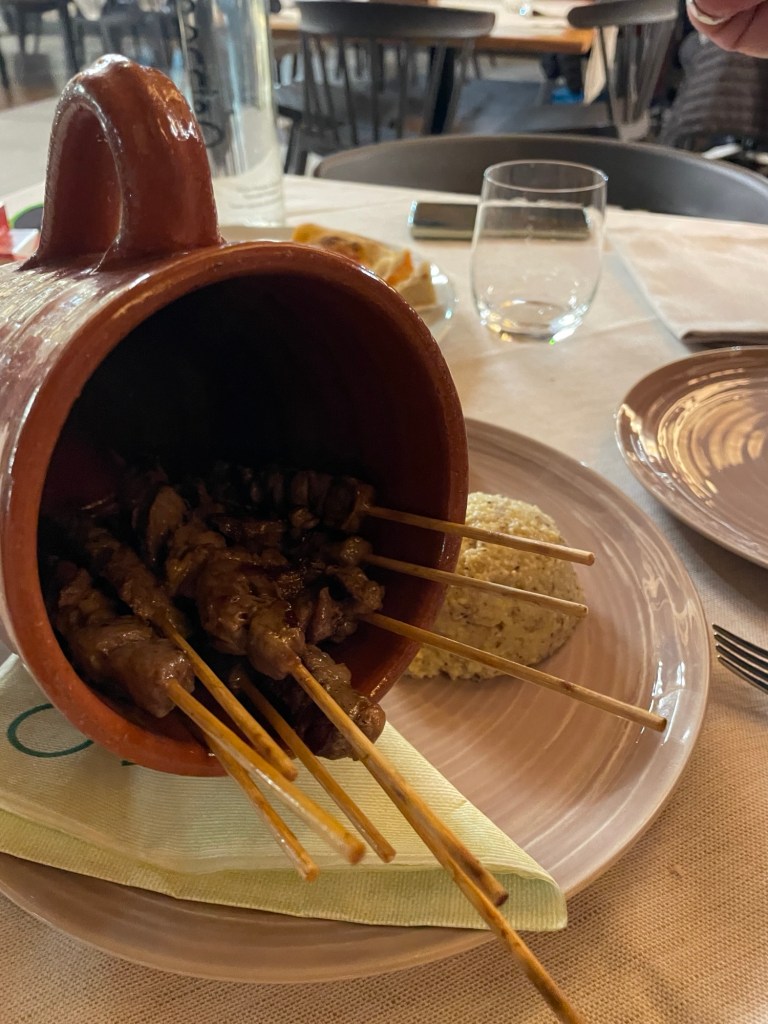
Food is central to Spanish identity. Each region has its own culinary tradition, and Spaniards take fierce pride in local ingredients. The Basque Country has perhaps the world’s most concentrated collection of Michelin-starred restaurants. Catalonia gave birth to molecular gastronomy through chefs like Ferran Adrià. Andalusia perfected the art of tapas — small plates of food shared over conversation and cold beer or sherry. And everywhere, the tortilla española (potato omelette), jamón ibérico (cured ham), and fresh seafood speak a universal language of simple, extraordinary flavour.
Regionalism and Identity
One of the most defining features of modern Spain is its regional diversity. The country is divided into 17 autonomous communities, each with its own government, and several of these have distinct languages. Catalan is spoken by millions in Catalonia and Valencia. Basque — Euskara — is one of the oldest and most linguistically mysterious languages in Europe, entirely unrelated to any other known tongue. Galician echoes Portuguese. These are not dialects: they are living languages tied to fiercely held identities.
This regionalism has shaped Spanish politics profoundly. The question of Catalan independence, which erupted dramatically in 2017 with an unofficial referendum, remains unresolved. The Basque region, too, has a long and sometimes violent history of separatist sentiment. Understanding Spain means accepting that for many of its citizens, being Catalan, Basque, or Galician comes first — and being Spanish is a more complicated negotiation.
Art, Architecture, and Genius
Spain has produced an extraordinary catalogue of artistic genius. El Greco brought Byzantine mysticism to Toledo’s canvases. Velázquez painted the psychological complexity of royal power. Goya charted the darkness of war and madness with unflinching honesty. In the 20th century, Picasso shattered the visual world with Cubism, and Salvador Dalí plunged into surrealist dreamscapes with theatrical flair.
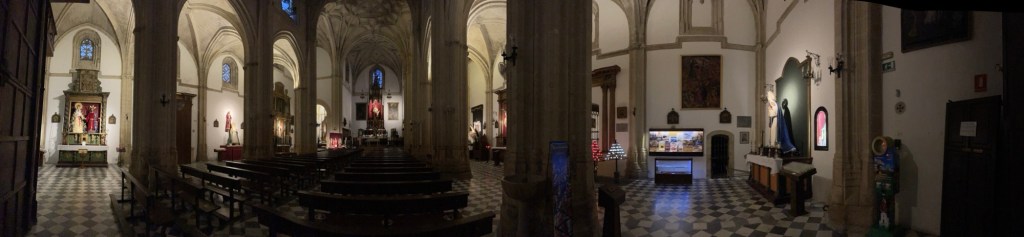
Architecture tells the same story of abundance. Antoni Gaudí’s Barcelona is unlike any other city on Earth — the unfinished Sagrada Família basilica, the undulating Casa Batlló, the mosaic terraces of Park Güell — all expressions of a singular, organic imagination. Moorish Granada offers the Alhambra, perhaps the most exquisite palace complex ever built. Bilbao reinvented itself with Frank Gehry’s titanium-clad Guggenheim Museum, sparking an urban renaissance that urban planners still reference as the “Bilbao effect.”
Spain Today
Modern Spain is a constitutional monarchy and a vibrant democracy, a founding member of the European Union, and a country that has navigated financial crisis, political fragmentation, and cultural transformation with characteristic resilience. Its people are warm, direct, and deeply attached to the rhythms of community life.
To visit Spain — or better yet, to spend real time there — is to encounter a country that has never lost its appetite for living fully. Whether in the roar of a flamenco performance in Seville, the quiet of a Castilian monastery at dawn, or the electric noise of a Barcelona weekend, Spain insists on being felt. That insistence, above all, is what makes it unforgettable.



Leave a Reply