
Italy
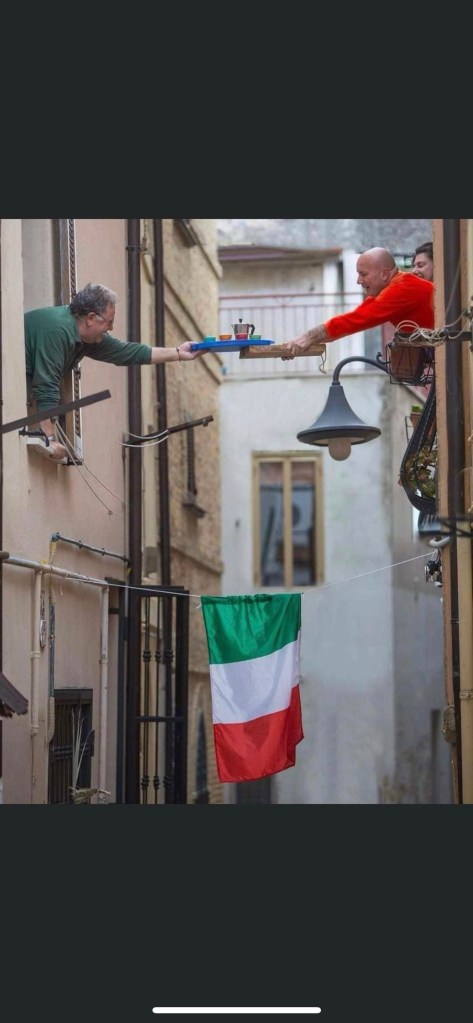
Few countries on Earth compress so much history, beauty, and sensory pleasure into a single landmass. Italy is a place where a morning walk might take you past a Roman aqueduct, a Renaissance fresco, and a perfectly appointed espresso bar — and where all three feel equally essential. It is a country that has shaped Western civilization more profoundly than almost any other, and yet it wears that influence lightly, integrated into daily life rather than placed behind velvet ropes.
The Land Itself
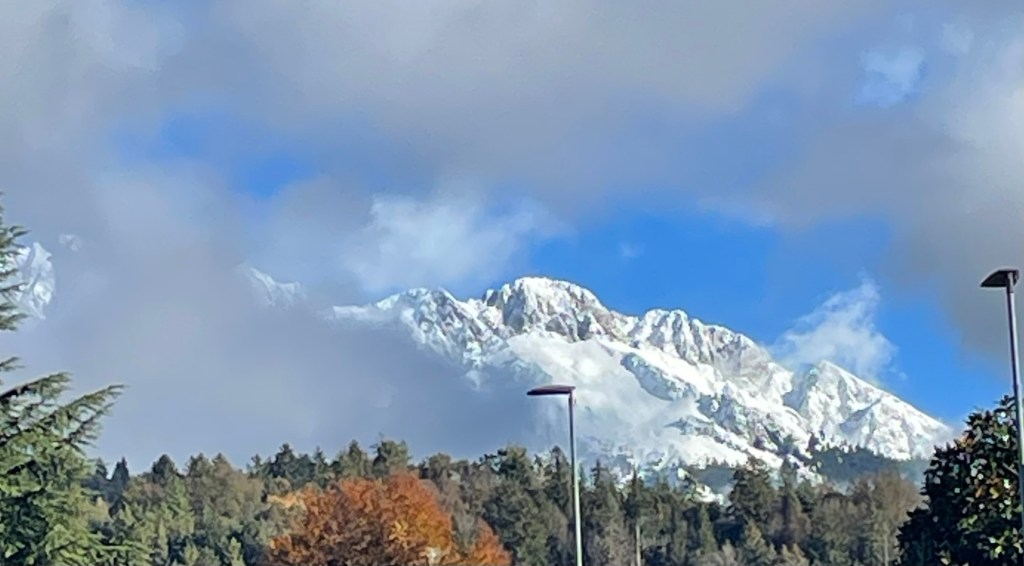
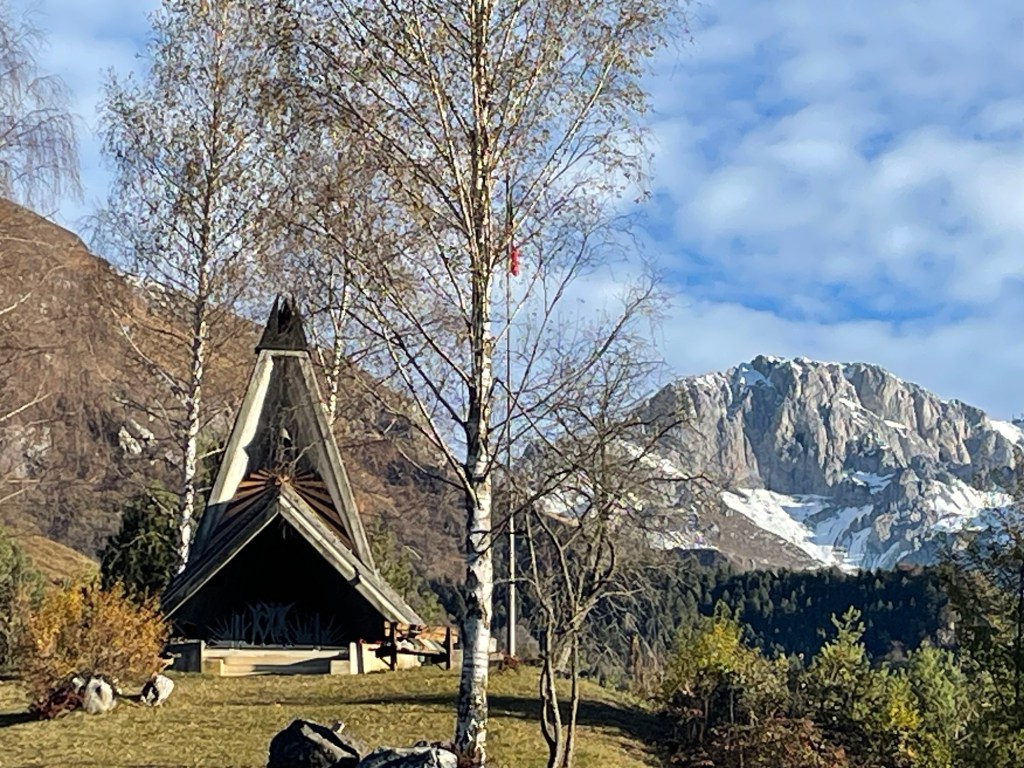
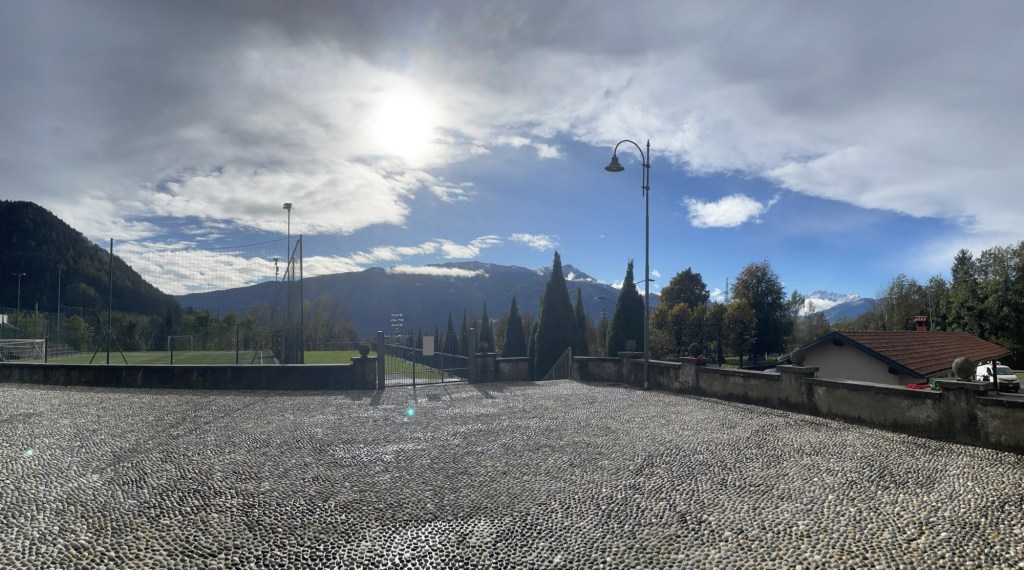
The Italian peninsula stretches roughly 1,200 kilometers from the Alps in the north to the sun-scorched tip of Calabria in the south, with the islands of Sicily and Sardinia extending its reach further still into the Mediterranean. The geography is extraordinarily varied. The Po Valley in the north is flat, fertile, and mist-hung in winter, producing rice for risotto and wheat for pasta. The Dolomites in the northeast rise into jagged pink limestone peaks that look almost artificial in their drama. Tuscany rolls across the middle of the country in gentle waves of olive groves and cypress trees, a landscape so quintessentially beautiful that it has become the world’s mental image of the countryside. Further south, the terrain grows wilder and drier, the villages clinging to clifftops or huddled in valleys carved by ancient rivers.
A Civilization Built in Layers
To understand Italy is to understand that nothing here is built on empty ground. The Romans constructed their temples on Etruscan foundations. Medieval churches rose on Roman ruins. Renaissance palaces absorbed Gothic towers. Every Italian city is an archaeological layer cake, and excavations for new subway lines routinely uncover amphitheaters and bath complexes that pause construction for years.
Rome itself is the supreme example. The Colosseum, begun under Emperor Vespasian in 72 AD, still dominates its neighborhood as powerfully as any modern skyscraper. The Pantheon, with its extraordinary unreinforced concrete dome, has stood for nearly two thousand years and remains the best-preserved ancient building in the world. Walk fifteen minutes from either monument and you will find yourself in Baroque piazzas designed by Bernini, beside churches stuffed with Caravaggio paintings, in streets where medieval pilgrims walked the same cobblestones as today’s tourists.
Florence tells a different story — the story of the Renaissance, that extraordinary explosion of art, philosophy, and humanist thought that remade European culture between the 14th and 17th centuries. The Uffizi Gallery holds Botticelli’s Birth of Venus and Primavera, Raphael’s portraits, and room after room of masterworks that would be headline attractions anywhere else on the planet. Michelangelo’s David stands in the Accademia with an authority that photographs consistently fail to capture. The Duomo’s terracotta dome, engineered by Brunelleschi with a daring that bordered on madness, still presides over the city’s skyline more than 600 years after its completion.
Venice operates on a different logic entirely — a city built on wooden piles driven into a lagoon, threaded by canals instead of streets, reaching its peak as a maritime trading empire that connected Europe to the East. It is simultaneously the most beautiful and the most melancholy city in Italy, aware of its own slow subsidence, drawing millions of visitors precisely because it seems to exist outside of time.
The Culture of the Table
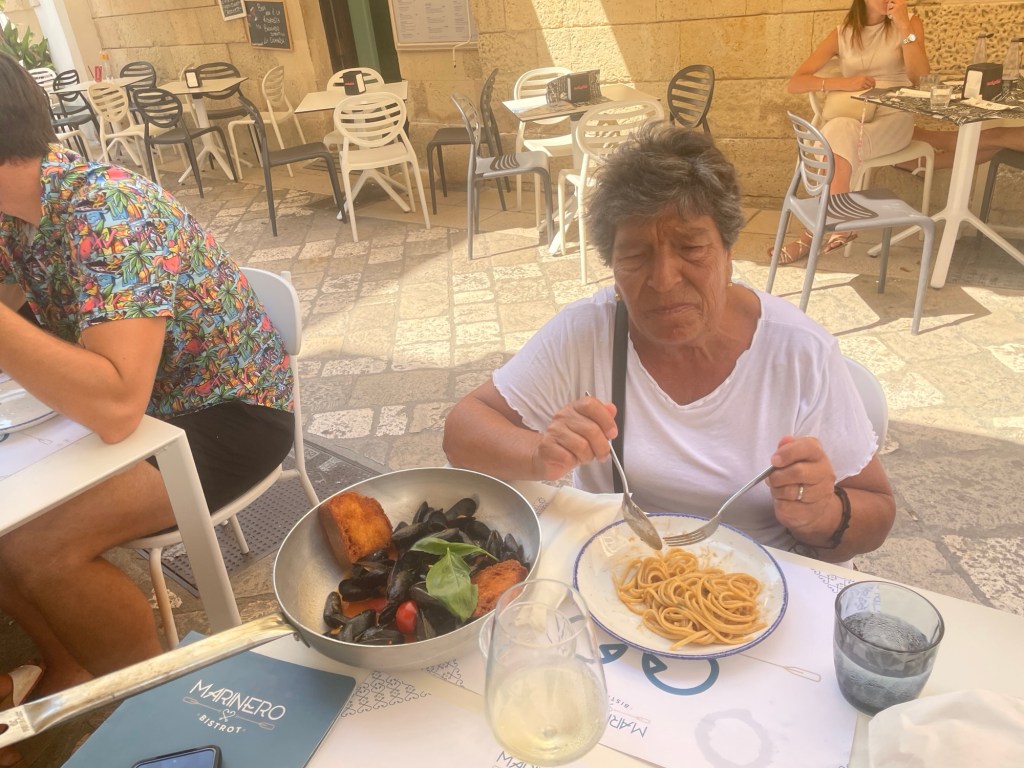
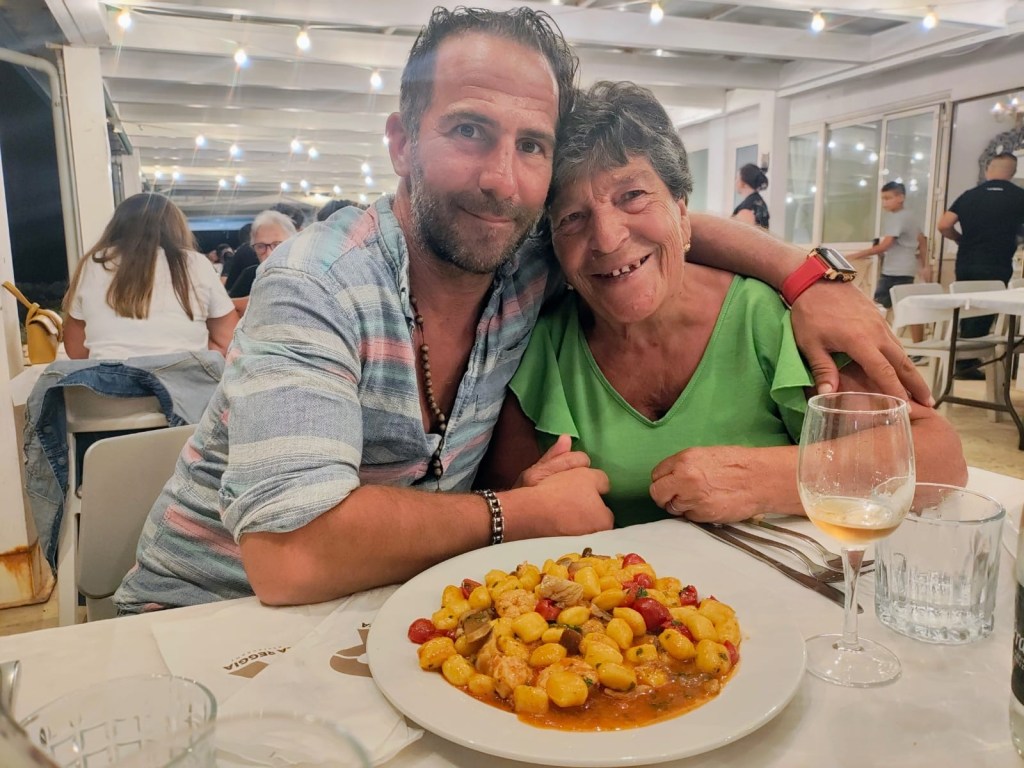
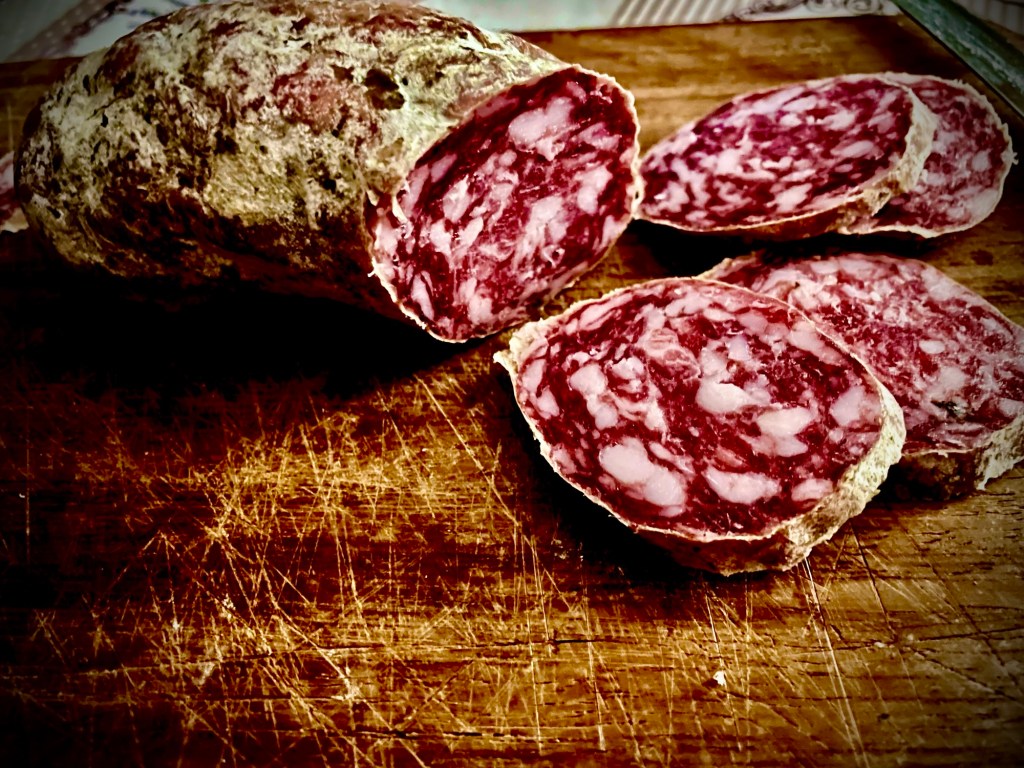
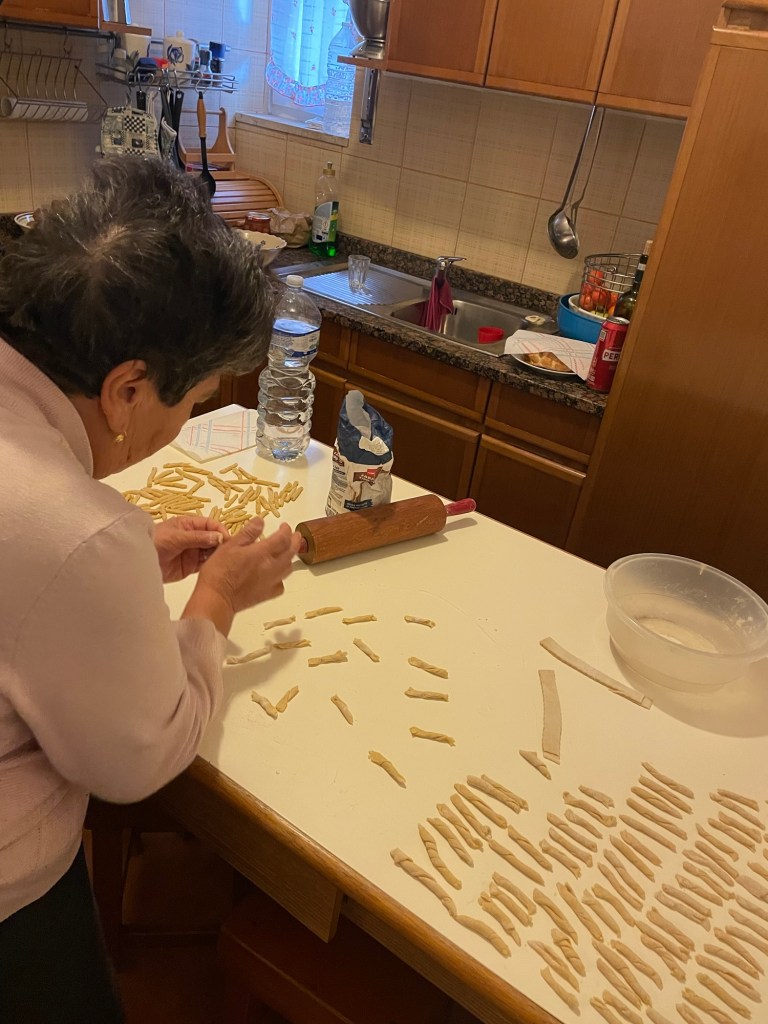
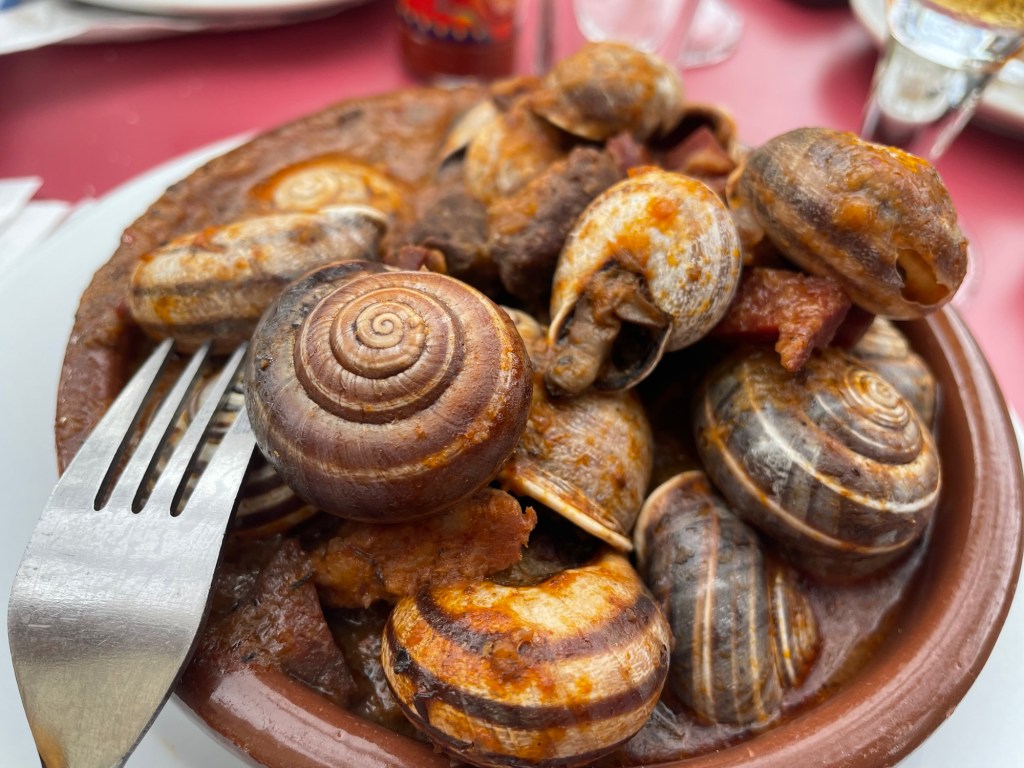
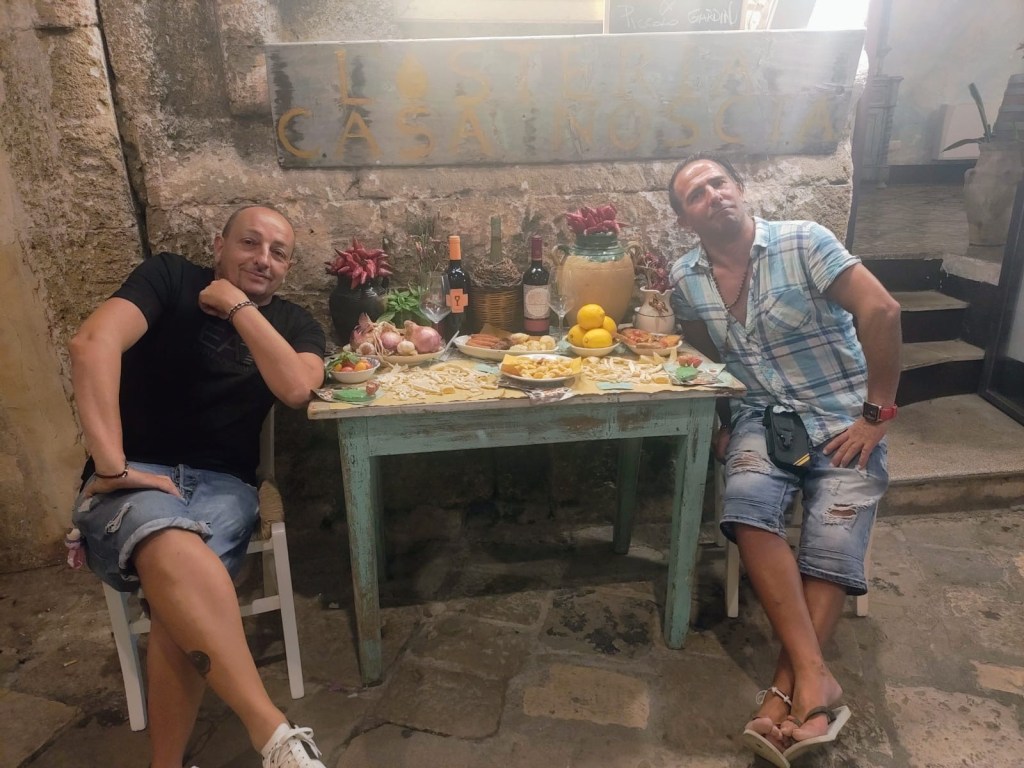
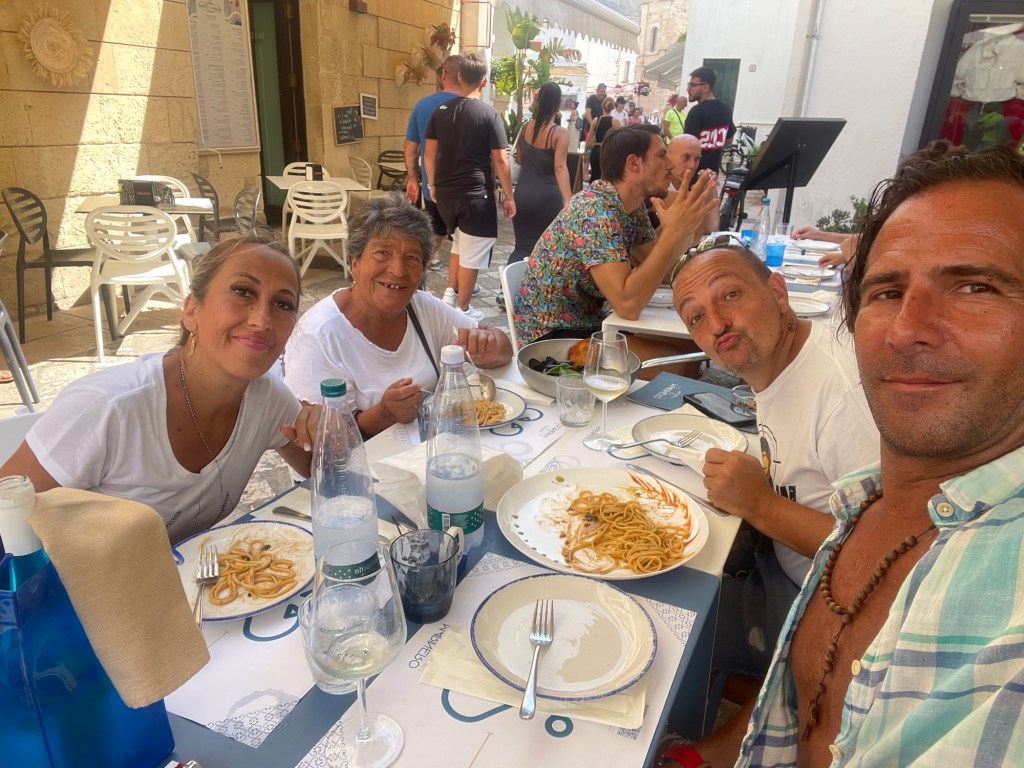
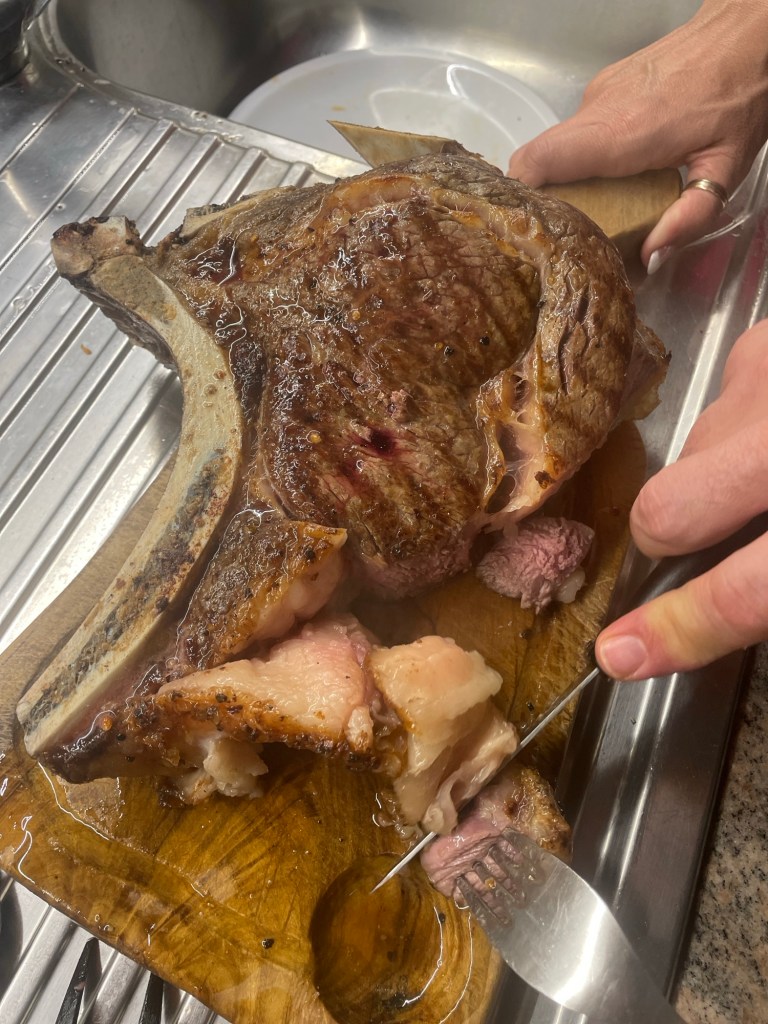
Any serious account of Italy must spend considerable time on food, because here it is not mere sustenance but a form of cultural expression, regional identity, and daily ritual. Italian cuisine is not a single thing — it is a mosaic of intensely local traditions that vary from valley to valley, let alone region to region. The pasta of Bologna is made with egg and rolled flat; the pasta of Naples is extruded and dried. The risotto of Milan is enriched with bone marrow and saffron; the seafood risotto of Venice bears almost no resemblance to it. Pizza in Naples is soft, charred, and simple; Roman pizza is thin and crisp. These distinctions matter enormously to Italians, for whom food is inseparable from place and memory.
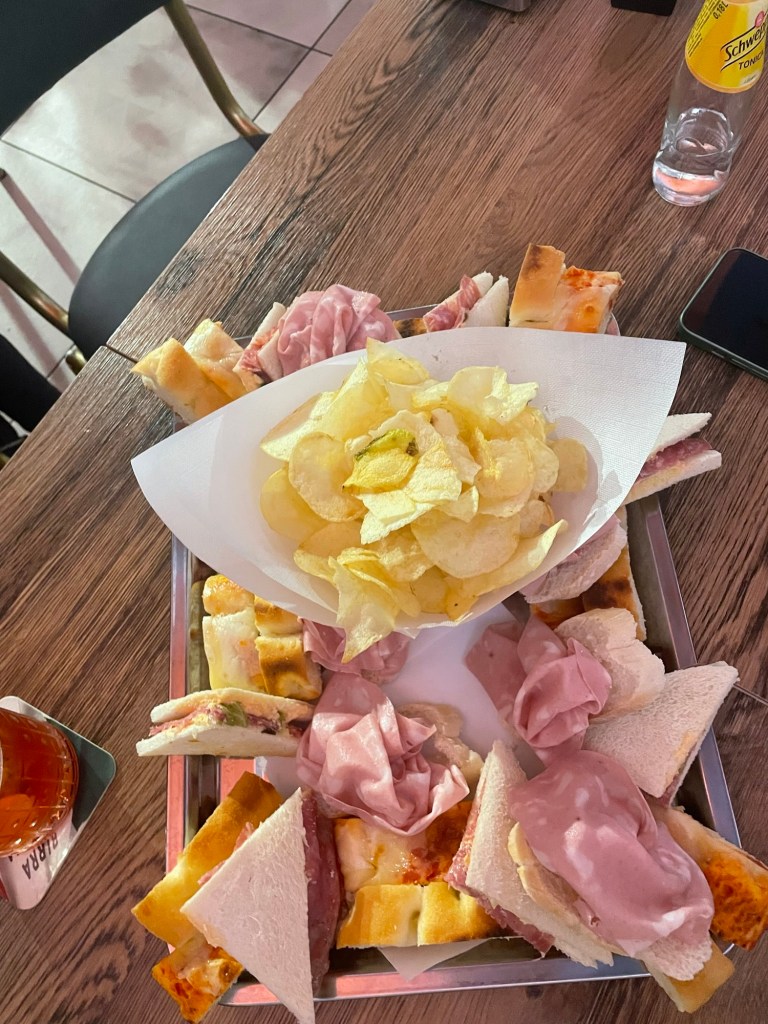
The coffee culture alone could fill volumes. The Italian espresso — short, intense, consumed standing at a bar in a minute or less — is a precise art form with strong opinions attached to every variable, from the grind to the tamping pressure to the temperature of the water. Ordering a cappuccino after noon marks you immediately as a tourist. The afternoon aperitivo, that civilized ritual of a drink accompanied by small snacks, has spread across the world but nowhere feels as natural as in Milan or Venice.
Art, Fashion, and Design
Italy’s cultural production did not stop with the Renaissance. The 20th century brought an extraordinary flowering in design and fashion, with Italian names — Ferrari, Armani, Prada, Gucci, Vespa, Olivetti — becoming global shorthand for a particular kind of elegant functionality. Milan is one of the world’s undisputed fashion capitals, hosting collections that set international trends twice a year. Italian industrial design, from furniture to automobiles to domestic appliances, has consistently balanced aesthetic ambition with craftsmanship in ways that competitors have rarely matched.
Cinema, too, has been a powerful Italian art form. The neorealist movement of the 1940s and 50s — Rossellini, De Sica, Visconti — changed the grammar of filmmaking worldwide. Fellini’s surrealist explorations and Leone’s operatic Westerns expanded what the medium could do. Contemporary Italian directors and writers continue to engage with the country’s complicated realities, including its regional divides, organized crime, and political turbulence.
The Living Country
Modern Italy is a democracy of about 60 million people, a founding member of the European Union, and the world’s eighth largest economy. It is also a country of genuine contradictions: extraordinarily productive in design, engineering, and gastronomy while struggling with bureaucratic inefficiency and slow economic growth. The north-south divide remains a real fault line, with the industrialized north generating much of the national wealth while the south navigates deeper structural challenges. Young Italians emigrate in significant numbers, drawn by opportunities elsewhere in Europe.
And yet Italy persists as something the world needs — a demonstration that beauty, pleasure, and the long view of history are not luxuries but necessities. In a country where every meal is considered, every piazza is a stage, and every hill town seems to have produced at least one painter, poet, or saint, the case for living well is made quietly and continuously, one perfect moment at a time.






Leave a Reply