British Columbia: Canada’s Pacific Crown
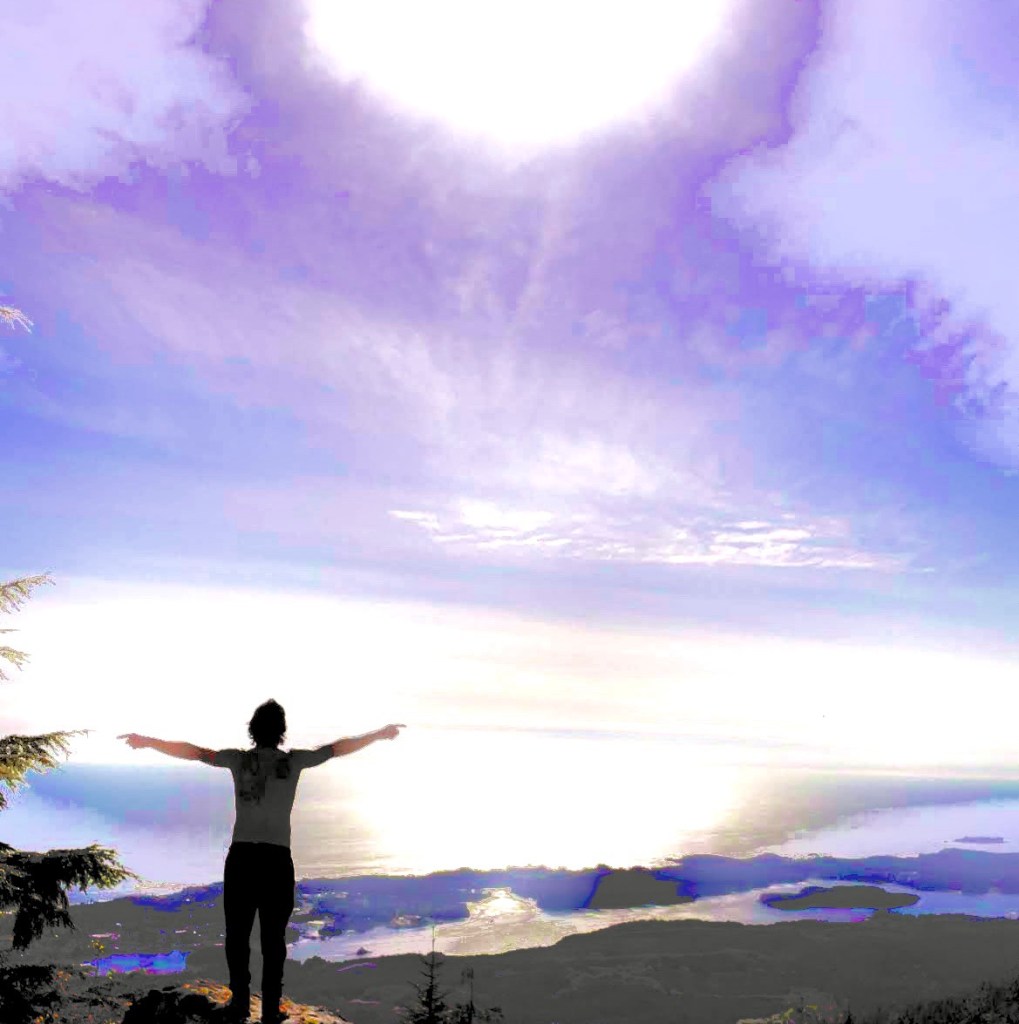
There are places in the world that seem almost too beautiful to be real — where every turn in the road reveals a view that stops you cold, where the air carries the scent of cedar and ocean salt, and where the sheer scale of the landscape makes you feel wonderfully, humbly small. British Columbia is one of those places.
Canada’s westernmost province is a land of staggering contrasts. Within its boundaries — which stretch from the Pacific coastline east to the Rocky Mountains, and from the American border north to the wilderness of the Yukon — you’ll find ancient rainforests dripping with moss, sun-scorched wine country, glacier-capped peaks, river valleys carved by ten thousand years of ice, and one of the most celebrated cities on earth. British Columbia isn’t just a destination. It’s an entire world compressed into a single province.
A Land Shaped by Drama
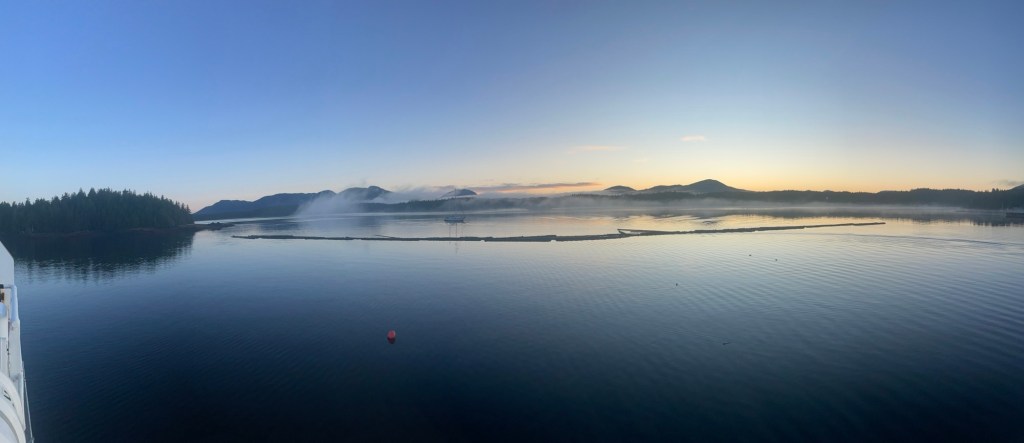
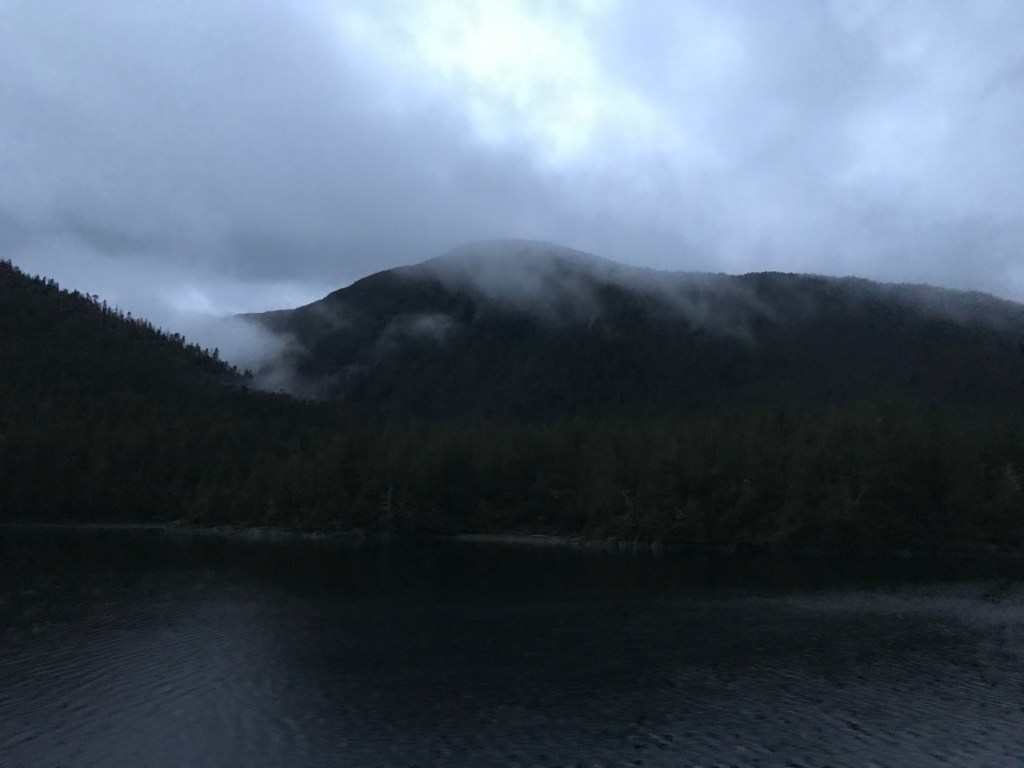
BC’s geography reads like the work of an overambitious artist who refused to choose just one medium. The Coast Mountains rise dramatically from the Pacific shore, their slopes furred with Douglas fir and western red cedar. Inland, the landscape transforms: the lush valleys of the Interior give way to high plateaus, semi-arid grasslands, and eventually the great wall of the Canadian Rockies along the eastern border. To the north, the terrain softens into boreal forest and vast river systems where grizzlies fish for salmon in autumn.
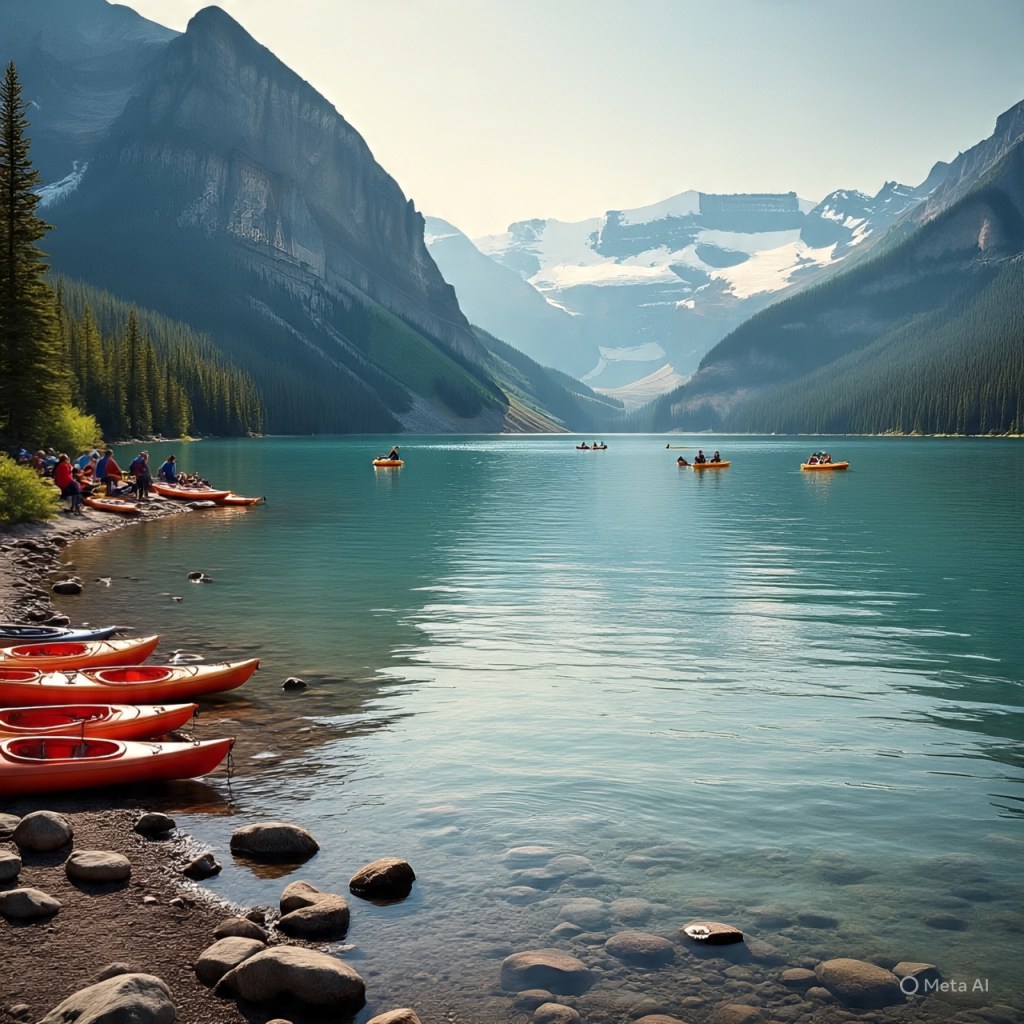
The province covers nearly a million square kilometres — larger than France and Germany combined — and much of it remains strikingly wild. There are stretches of coastline here that have never been mapped in detail, old-growth forests that have never heard a chainsaw, and mountain ranges with peaks that still await their first human footsteps. For the traveller who craves genuine wilderness, British Columbia is almost unrivalled anywhere in the world.
Vancouver: The Gateway and the Jewel
Most visitors begin their BC journey in Vancouver, and it’s easy to see why the city’s reputation precedes it. Set between the Pacific Ocean and the North Shore Mountains, Vancouver is routinely ranked among the world’s most liveable and most beautiful cities — a place where you can ski powder in the morning and kayak a sheltered harbour in the afternoon.
The city is vibrantly multicultural, shaped by waves of immigration from across Asia, Europe, and beyond. Its food scene reflects that heritage magnificently: world-class Japanese ramen shops sit alongside Cantonese dim sum palaces, Vietnamese pho joints, and Indigenous-inspired restaurants redefining what Pacific Northwest cuisine can be. Neighbourhoods like Gastown, Granville Island, Chinatown, and Commercial Drive each have their own distinct personality, making Vancouver a city that rewards aimless wandering as much as planned sightseeing.
Stanley Park — a 400-hectare peninsula of old-growth forest jutting into Burrard Inlet — remains one of the great urban parks anywhere on the planet. Walk or cycle the seawall, peer up at centuries-old cedars, and watch cargo ships ease past the Lions Gate Bridge toward open water. It’s a reminder that in Vancouver, nature is never more than a few minutes’ walk away.
Victoria and the Island Life
A short ferry ride across the Strait of Georgia brings you to Vancouver Island and the provincial capital, Victoria. Where Vancouver pulses with energy, Victoria charms with a quieter grace. Its harbour is lined with flower baskets and gaslights; its streets are dotted with heritage buildings left over from the days of British colonial rule. The Fairmont Empress Hotel, afternoon tea, and the world-class Royal BC Museum make Victoria feel like a city that has happily preserved the best of its past.
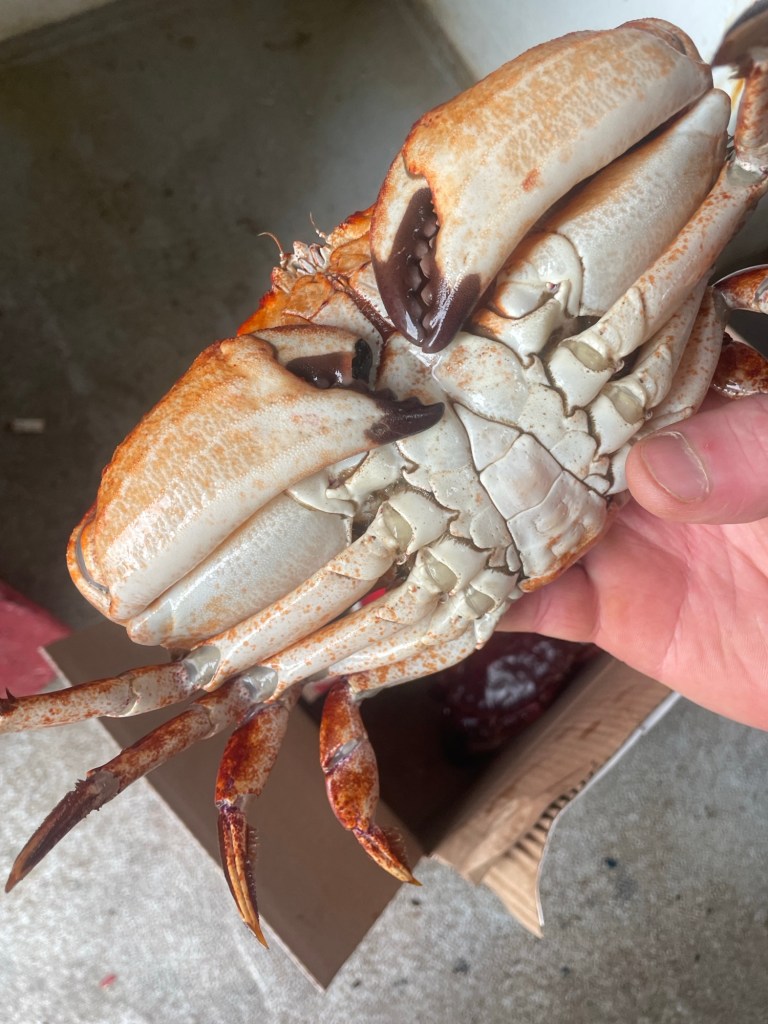
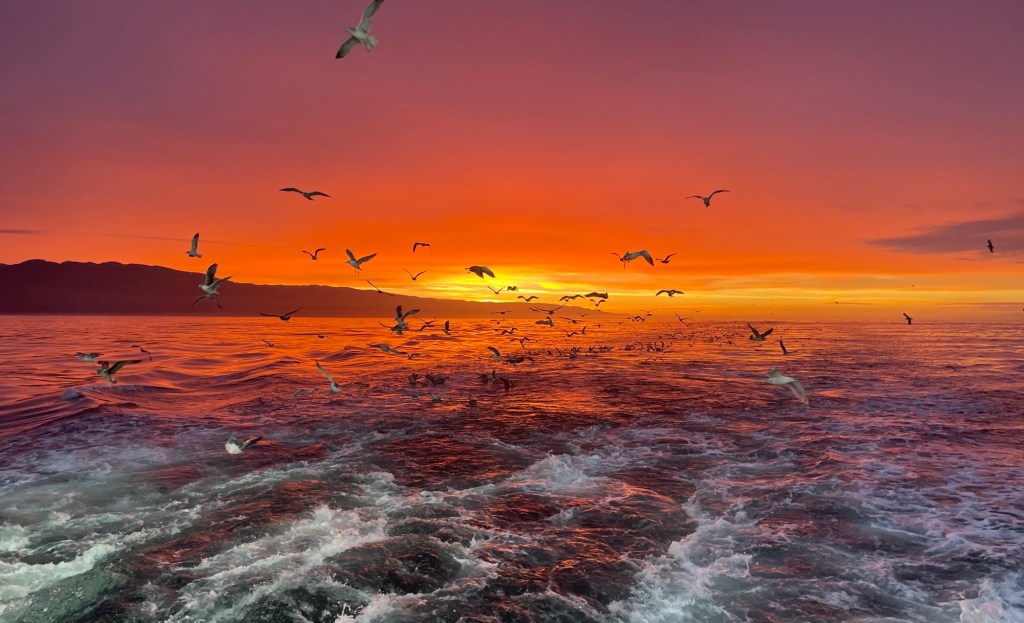
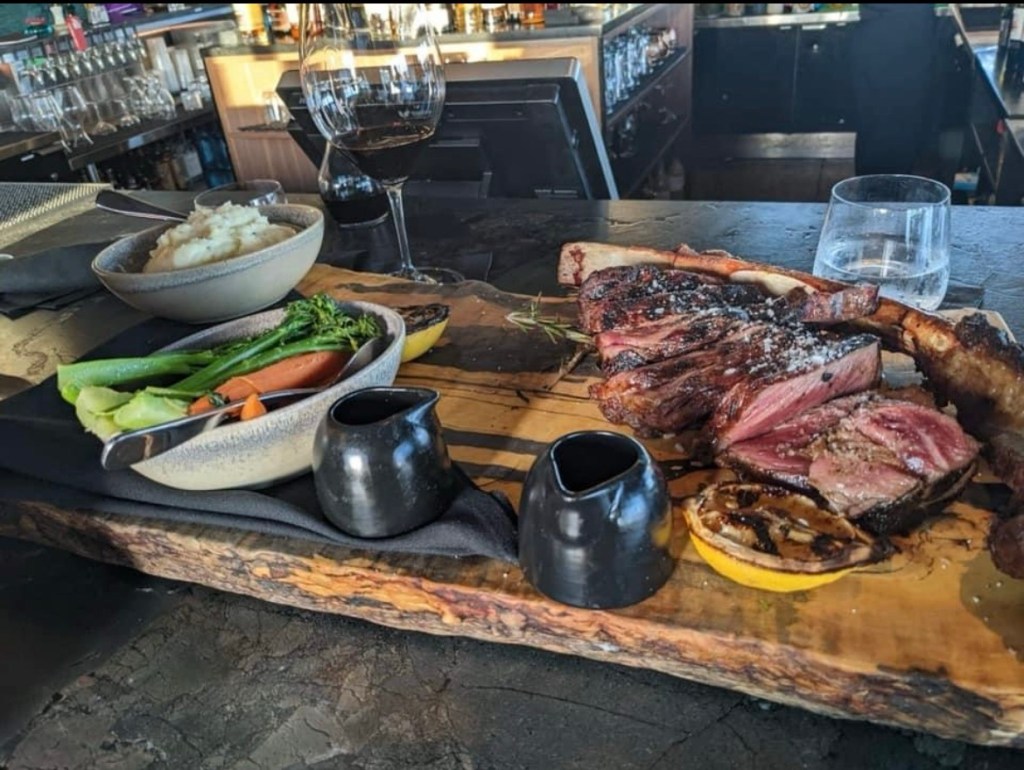
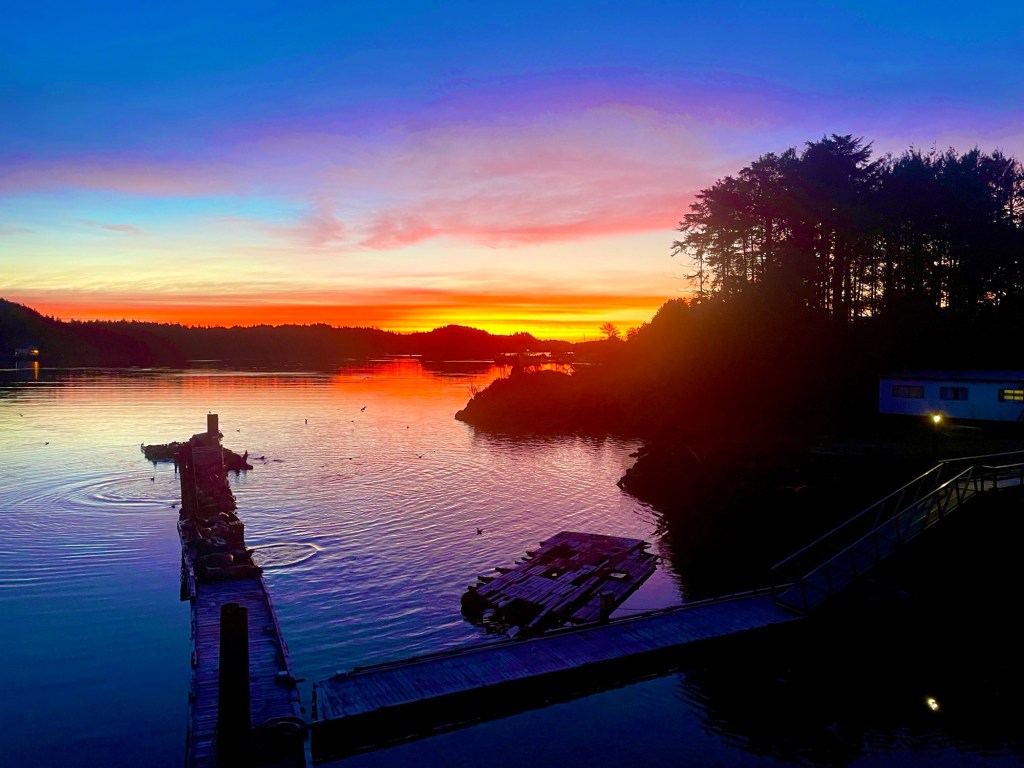
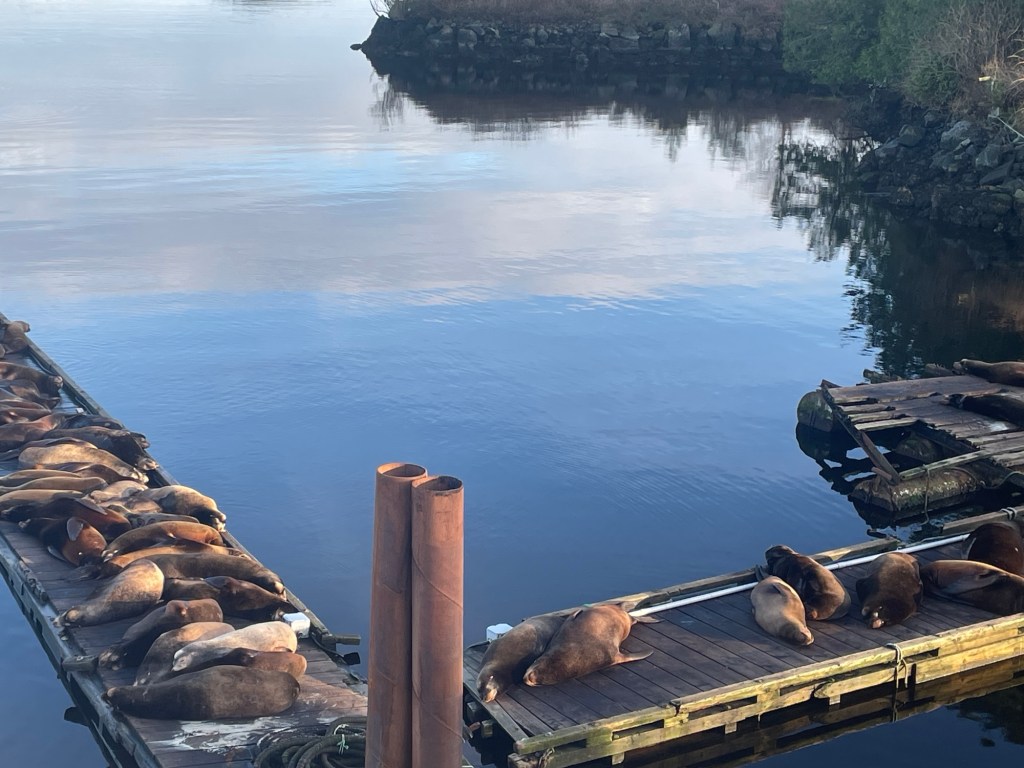
But Vancouver Island is far more than its capital. The island’s west coast — particularly the surf town of Tofino and the adjoining Pacific Rim National Park Reserve — is one of BC’s most dramatic landscapes. Here, old-growth rainforest tumbles down to wild beaches where Pacific swells roll in uninterrupted from Japan. Surfers, storm-watchers, whale-watchers, and hikers all find their paradise here. Tofino has also earned an unlikely reputation as a foodie destination, with restaurants turning out exceptional seafood pulled from the surrounding waters.
Into the Interior
Venture east from the coast and British Columbia reveals another set of personalities entirely. The Okanagan Valley, a long, lake-studded corridor running north to south through the province’s interior, is BC’s wine country — and it has become one of Canada’s most exciting culinary regions. Sun-drenched summers and cold winters produce Pinot Noir, Chardonnay, and Riesling of genuine international distinction. The valley’s lakeside towns — Kelowna, Penticton, Oliver — are relaxed and welcoming, built around beaches, orchards, and vineyard patios where time seems to move at a gentler pace.
Further north and east, the wilderness deepens. The Thompson and Fraser river valleys cut through canyon country of raw, cinematic beauty. Wells Gray Provincial Park, sometimes called “BC’s Jasper,” hides waterfalls that thunder through ancient lava fields into pristine lakes. And along the province’s northeastern edge, the Peace River country opens into big sky farmland and boreal forest that feels about as far from the rest of Canada as it’s possible to get without leaving it.
The People and the Spirit
What ties all of this together — the mountains, the coast, the vineyards, the wild rivers — is something harder to put into words but easy to feel the moment you arrive. British Columbians carry a deep, almost reverent relationship with the land they inhabit. Outdoor life isn’t a weekend hobby here; it’s a fundamental part of the culture.
That culture is also inseparable from the history and living presence of Indigenous peoples. BC is home to more than 200 First Nations, each with their own languages, traditions, and deep ties to specific territories. From the totem poles of the Haida Gwaii archipelago to the salmon ceremonies of Interior communities, Indigenous culture is woven into the fabric of the province in ways that enrich every visitor’s experience — and remind us that this extraordinary landscape has been cherished, and protected, for thousands of years before the rest of the world discovered it.
British Columbia, in the end, doesn’t just invite you to visit. It invites you to look — really look — at what a corner of the earth can be when geography, culture, and sheer good fortune combine. Come ready to be astonished.








Leave a Reply